








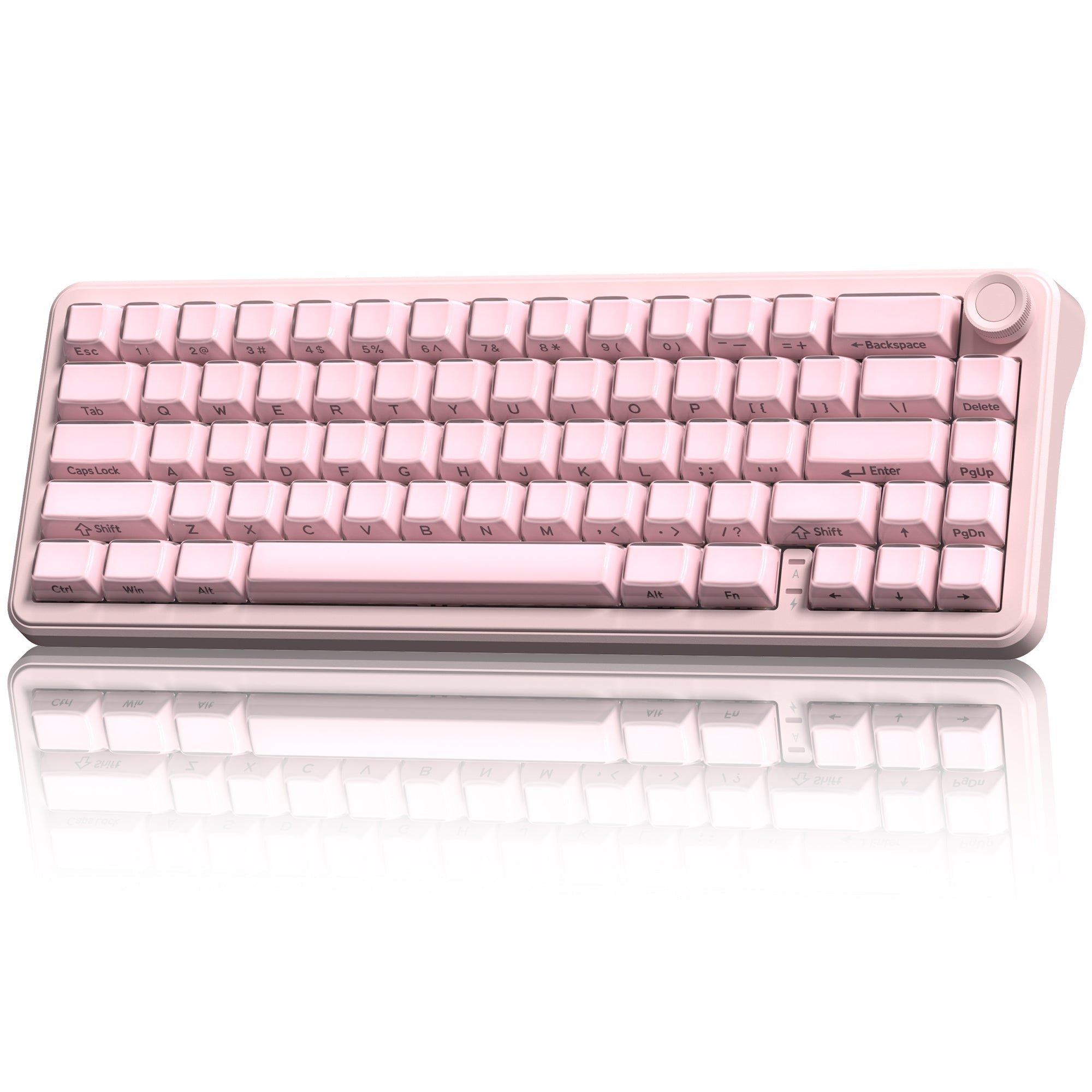


In our last post, we talked about how different mounting styles alter the typing sound and feel. This time, we shift our focus from the inside to the outer part—focusing on the mechanical keyboard case, which greatly impacts both acoustics and durability.
What is a mechanical keyboard case?
The mechanical keyboard case is the exterior enclosure that protects the internal components and holds them together. It typically consists of a top case and a bottom case and can be made from various materials such as plastic, aluminum, or wood.
Plastic cases are the lightest and most affordable, making them well-suited for portability.
Aluminum cases, much heavier by comparison, produce a sharper and more metallic sound, giving out a sturdier and more premium feel.
Wooden cases are often chosen for their unique aesthetics. A wood texture, often giving it a warmer or deeper tone, but the effect is less consistent than with plastic or aluminum.
Plastic Keyboard Cases
Plastic remains the most common material, but not all plastics are the same. Below are the four main types used in mechanical keyboards.
①ABS (Acrylonitrile Butadiene Styrene)
A widely used, low-cost plastic, also common in keycaps.
Pros: Low cost, lightweight, and supports various surface treatments (painting, matte, or glossy finishes)
Cons: prone to scratching and yellowing over time.
②PBT (Polybutylene Terephthalate)
A tougher, premium plastic known for its texture and durability.
Pros: Harder, more durable, resistant to yellowing, and produces a deeper, more stable sound.
Cons: Higher cost.
③PC (Polycarbonate)
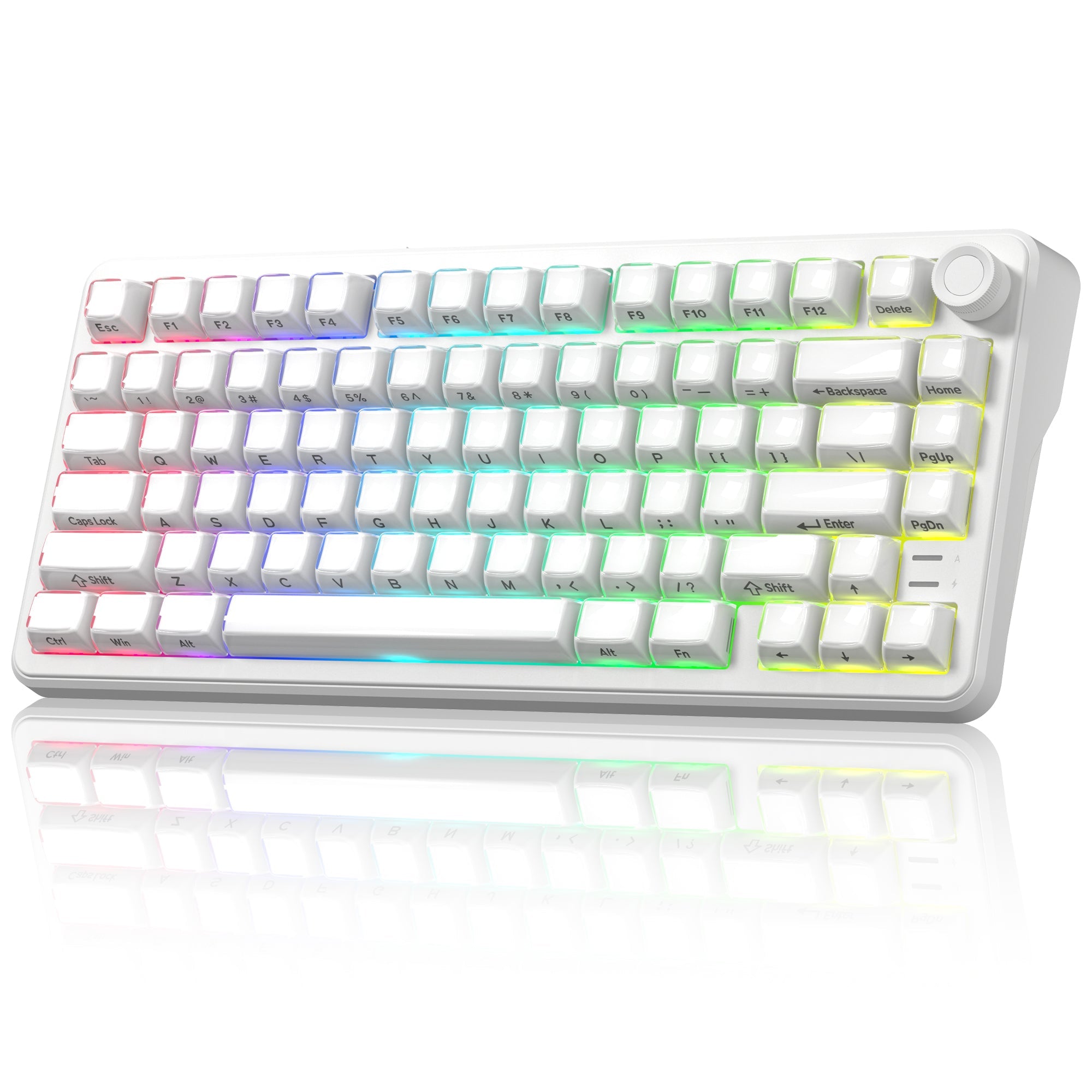
A transparent, high-strength plastic favored for RGB mechanical keyboards.
Pros: Transparent and suitable for RGB builds; high strength, resistance to cracking; produces a softer sound.
Cons: More costly than ABS and retains a “plastic” feel.
④Acrylic (PMMA)
Acrylic is a specific type of plastic.
Pros: High transparency, perfect for RGB acrylic keyboards, smooth surface finish, and relatively affordable compared to PC.
Cons: More brittle than PC and prone to cracking or chipping; less durable than aluminum; may show scratches easily.
Aluminum Keyboard Cases
Aluminum keyboards tend to be more expensive. Aluminum keyboard cases are known for their weight, strength, and high-end aesthetic. The metal enclosure produces a sharper, metallic sound and provides excellent structural stability.
Pros: Durable, good heat dissipation, provides a stable, premium hand feel, and higher-pitched sound.
Cons: More expensive, heavier, less portable, and may interfere with wireless signals.
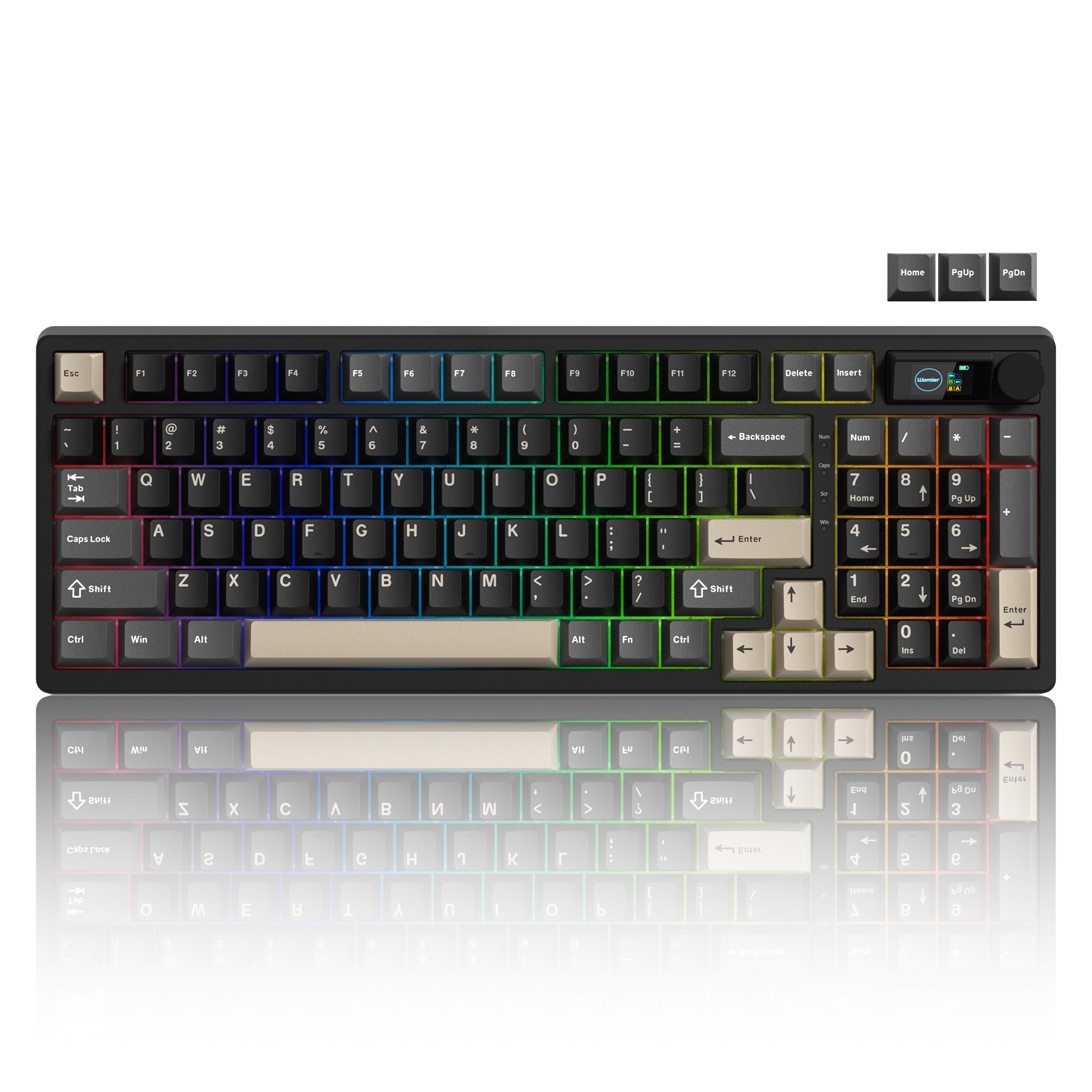
The Womier SK75 TMR is a classic aluminum keyboard designed for those who value durability, premium build quality, and a stable typing experience. Powered by TMR technology (see our comparison of TMR vs. HE here), it ensures faster and more precise keystroke responses. Whether you’re a competitive gamer or heavier typist, the SK75 TMR delivers consistent, reliable performance.

Hybrid Case Designs
Advancements in manufacturing have introduced hybrid keyboard case designs, combining aluminum with reinforced plastic. This approach balances premium feel with reduced weight, making the keyboard easier to carry without sacrificing stability.
Pros: More cost-effective, lighter than a full aluminum
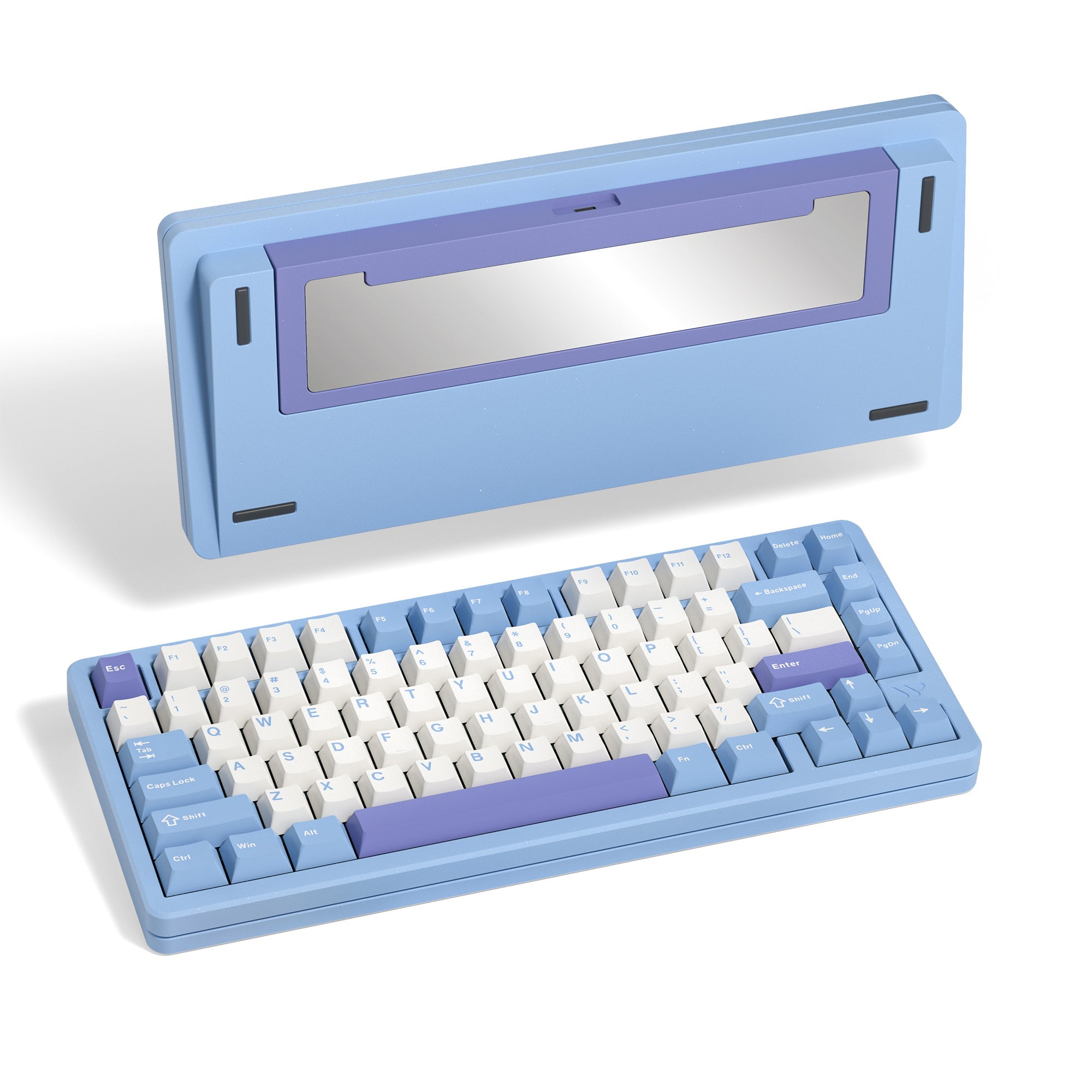
The Womier SK71 Pro pairs a 220-mesh CNC-machined aluminum top and bottom case with a reinforced plastic frame. If you pursue refined acoustics and robust build quality without the extra bulk, it is the ideal choice.

Wood Keyboard Cases
Wooden keyboards are less common but valued for their unique textures and aesthetics.
Pros: Warm feel, aesthetically pleasing, and unique.
Cons: Sensitive to humidity, requires maintenance, and can be slightly heavy.
The most popular wooden keyboards on the market are mainly made from black walnut and bamboo, which offer a distinct tactile feel.
Bamboo keyboards: Easier to keep clean; low thermal conductivity, little affected by temperature, unlike aluminum keyboards, which may feel uncomfortably cold in winter.
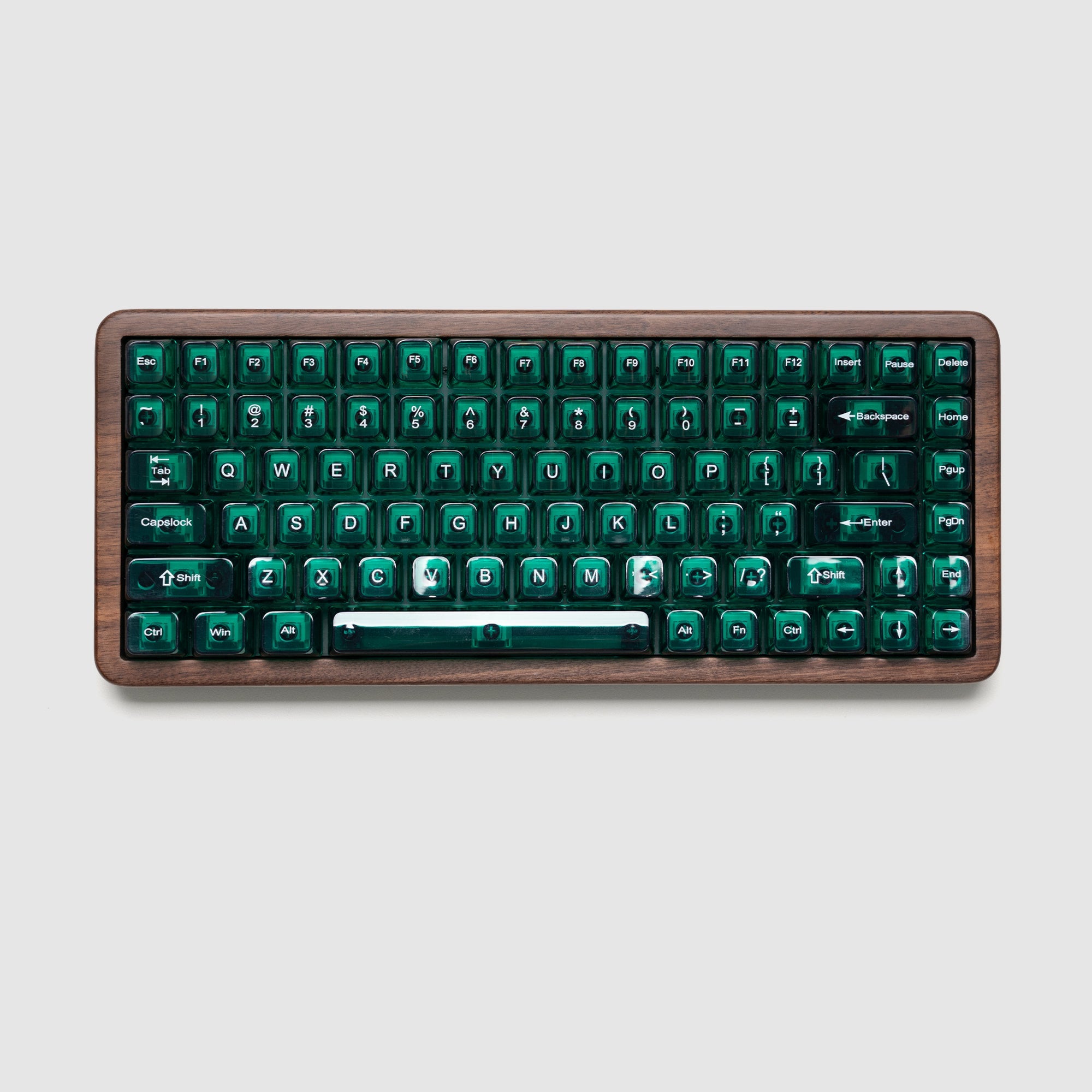
Black walnut keyboards: A premium wood, known for its durability and higher resistance to cracking or warping. With its rich and varied grain patterns, it offers a unique aesthetic value. If you have a distinctive pursuit of aesthetics, take a look at the Womier WD75 V2.

Which Keyboard Case Material is Right for You?
Different keyboard materials bring distinct experiences in feel, sound, and portability. Plastic keyboards are budget-friendly and lightweight, making them a great entry point or travel option.
Acrylic keyboards, loved for their high transparency, appeal strongly to DIY enthusiasts.
Aluminum keyboards deliver a premium, sturdy feel, while wooden keyboards stand out with their unique natural aesthetics.
There’s no absolute “best” choice—each material has its own charm. The right keyboard is the one that aligns with your needs, budget, and taste. When you find that match, your keyboard becomes more than just a tool—it becomes a reliable companion in both work and daily life.
